Put Your Best Foot Forward on Monday with Manolo Blahnik

A Foot in the Fashion Industry: Manolo Blahnik on Lifestyle and Inspirations

“Young man, do things. Do accessories. Do shoes,” the legendary Diana Vreeland advised a young Manolo Blahnik in 1971.

sjp manolo

 Such advice couldn’t have been greater to a creative artist like Manolo Blahnik. He had been going through a more confused time in his life, unsure of what creative direction to move in—and this advice sealed the deal. Anxiously, he moved forward and pursued the shoe-design field and created an entire fashion empire that did not exist before—adding couturier techniques and detail to ready-to-wear, high fashion footwear. Let’s take a peek into the artist’s views and muses.


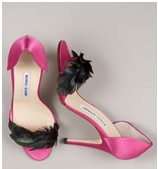
Black Blahnik Red Blahnik Pink Blahnik

How did Blahnik become a shoe designer? “It was one of those accidents of life. I could just as well have been a milliner or fashion designer,” he said.  Diana Vreeland encouraged him to work on his footwear designs and to make it a reality—which in turn, created a new shoe empire that had never existed before he hit the scene. She told him to dump the costume design path, and to “concentrate on the funny little things on the feet.” And so he did just that.

Techniques behind designing shoes: “I’m not an intellectual,” he confesses, “but I am a voracious observer of people’s movements and attitudes in the past and now. I’m very curious and I belong to that group of people who use what they observe and let it come out through what they do.” Blahnik loves the past, reminiscent and idiosyncratic English style—which is why he claims London as his home base.

His fabulous clientele: “I design for confident women who know what they want.” When creating each individual shoe, Blahnik creates an imaginary scenario of what type of woman would wear the particular shoe. Whether it be a society woman in France that attends charity balls, or a woman that hosts dinner parties for her family on her back porch—he has each scenario dreamed up for the potential buyer.

Fashion mentor: “My aunt acted as a daily fashion mentor. I was so impressed by the way she carried herself.” She taught him how to hold himself as a sophisticated individual, and the ideals of elegance.

Favorite museum: Prado in Madrid

Energy source: Spoons full of sugar, literally. On a mere 4-5 hours of sleep a night on average, Blahnik is not much for food. He’ll open up a bag of sugar and get the energy needed to design such sweet, delicious shoe creations.

Practicality versus whimsicality: “Once in a while I try to design a shoe with an eye to practicality rather than beauty. It is always a failure. Then I do a whimsy, follow my instinct, and make a slipper of silk scraps and crocodile scales—and it sells.”

View of New York City: “I’m always happy in New York because I’m a medieval person and it is a totally medieval city. People live in towers and they come down to fight—for food, for carriages, to sell their wares.”

Well, isn’t that the truth?

No Grey Areas—A Black and White Summer 2013

polka

New York, New York—Coming from a long fall and winter full of neons and bright color-blocking—it’s time for a change as we proceed into a much anticipated summer weather.  Refreshing classics await the finish line at the turn of the season in black and white.

asymmetrical

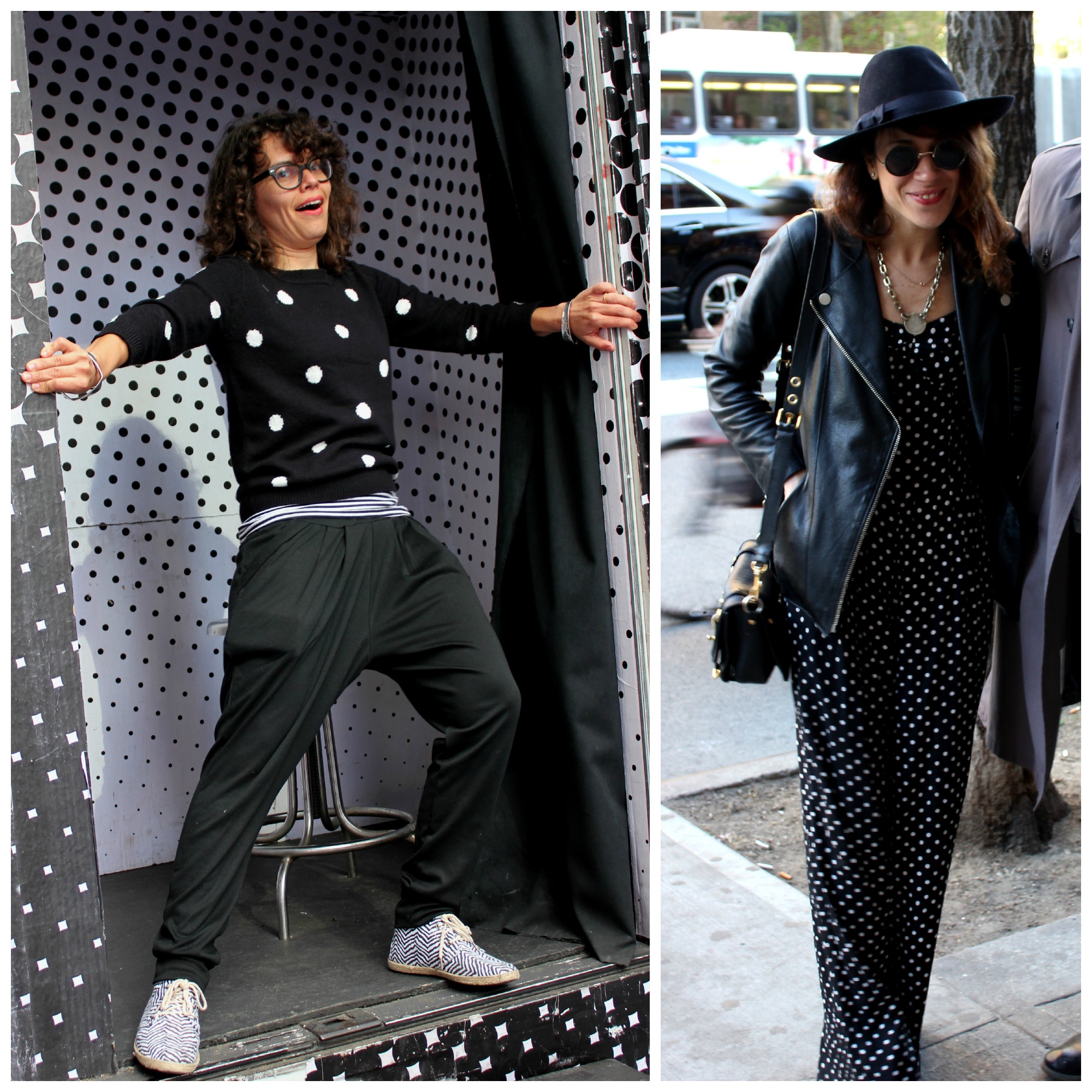
Walking across Manhattan I’ve run into individuals rocking the latest in bold black and bright white—from striped pants to the prominent polka-dot combination. Think striking black blazers with white tees beneath. The colors read a sophisticated fashionista; a classic that will never go out of style.bw

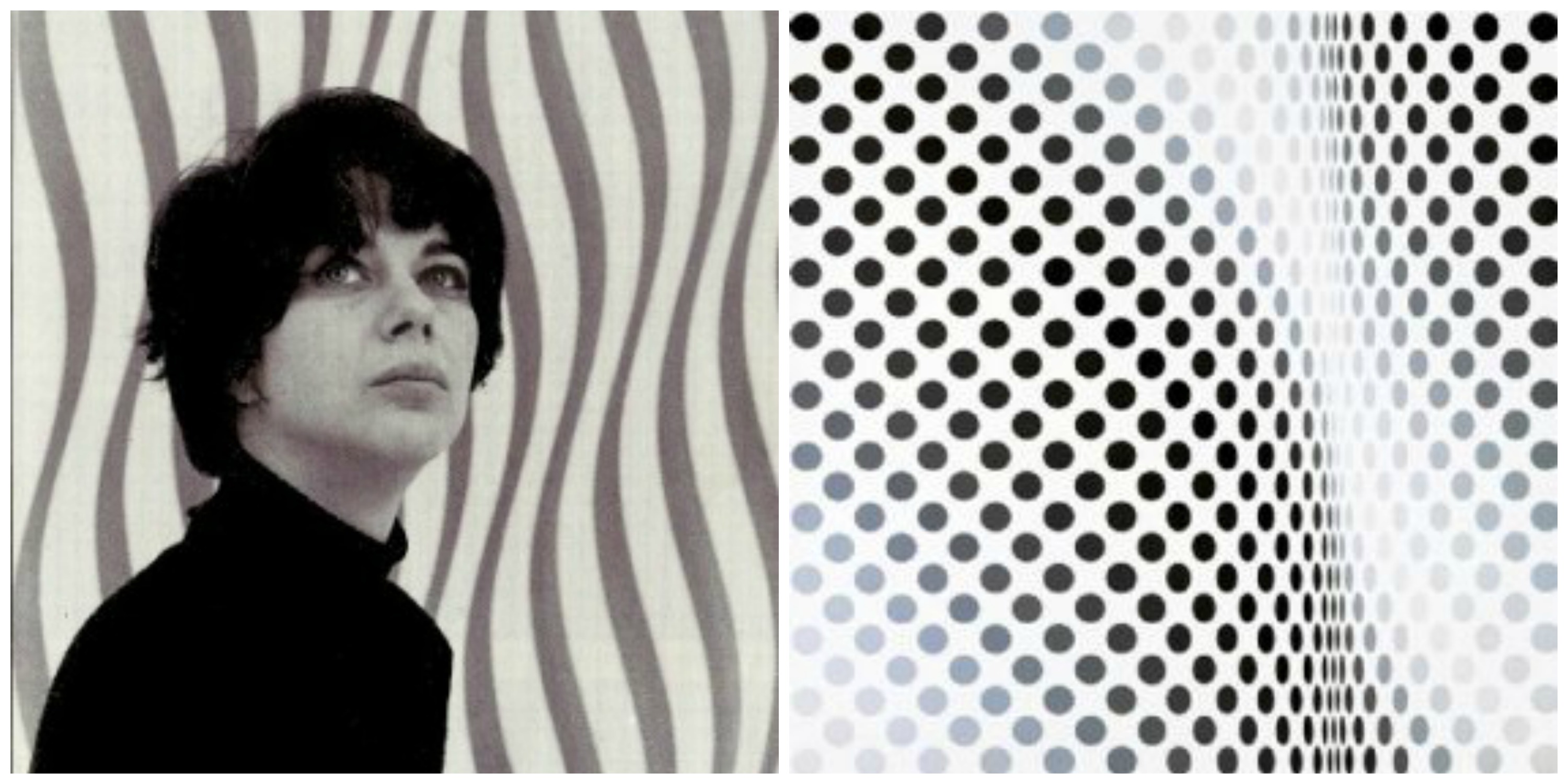
The current color trend is not brand new; it’s simply being refreshed in a 2013 expression of dress. Black and white emphasis in fashion and in the art world started back in the 1960’s when one of London’s most famous artists, Bridget Riley, was inspired by the black and white Romanesque buildings of Pisa and the churches of Ravenna.  Once her art became well-known and popular in this decade, fashion designers began using her works as inspiration. Riley was angry that her art had turned into “rag form,” as she called it—but there was nothing she could do to stop the phenomenon.  In pop culture, the Beatles were frequently flaunting the classic black and white suits during this time period, which additionally made it widely popular. The mod look of London-esque bold black and white pieces are now a major part of fashion history.

bridget riley

Bridget Riley, artist that inspired the black/white chic

Valentino capitalized on the look himself, and created what was known as the ‘Valentino White,’ in the late 60s. This collection catapulted him to become the “new symbol of modern luxury,” according to Vogue.

https://i0.wp.com/upload.wikimedia.org/wikipedia/commons/e/ef/Valentinowhitedresses.jpg

Valentino White Collections, celebrated above

Fast forward to the Calvin Klein collections of 1990 and you’ll find a severe minimalism point of view with a no-frills attitude. Looser fitted clothes, with clean lines clearly inspired by the black/white contrasting colors of the 60’s don the runways of the 90s. The ‘Mods’ of the 60s are minimalists at heart, anyway.

Calvin Klein, 1990’s Minimalism (Photo courtesy of Love-Aesthetics)

Similar to the transition occurring now—the 80’s  brought bright, bold colors to the scene but designers moved forward by updating their lines with a black and white trend shortly afterwards.  And the fashion cycle continues to move forward, even now.

stripes

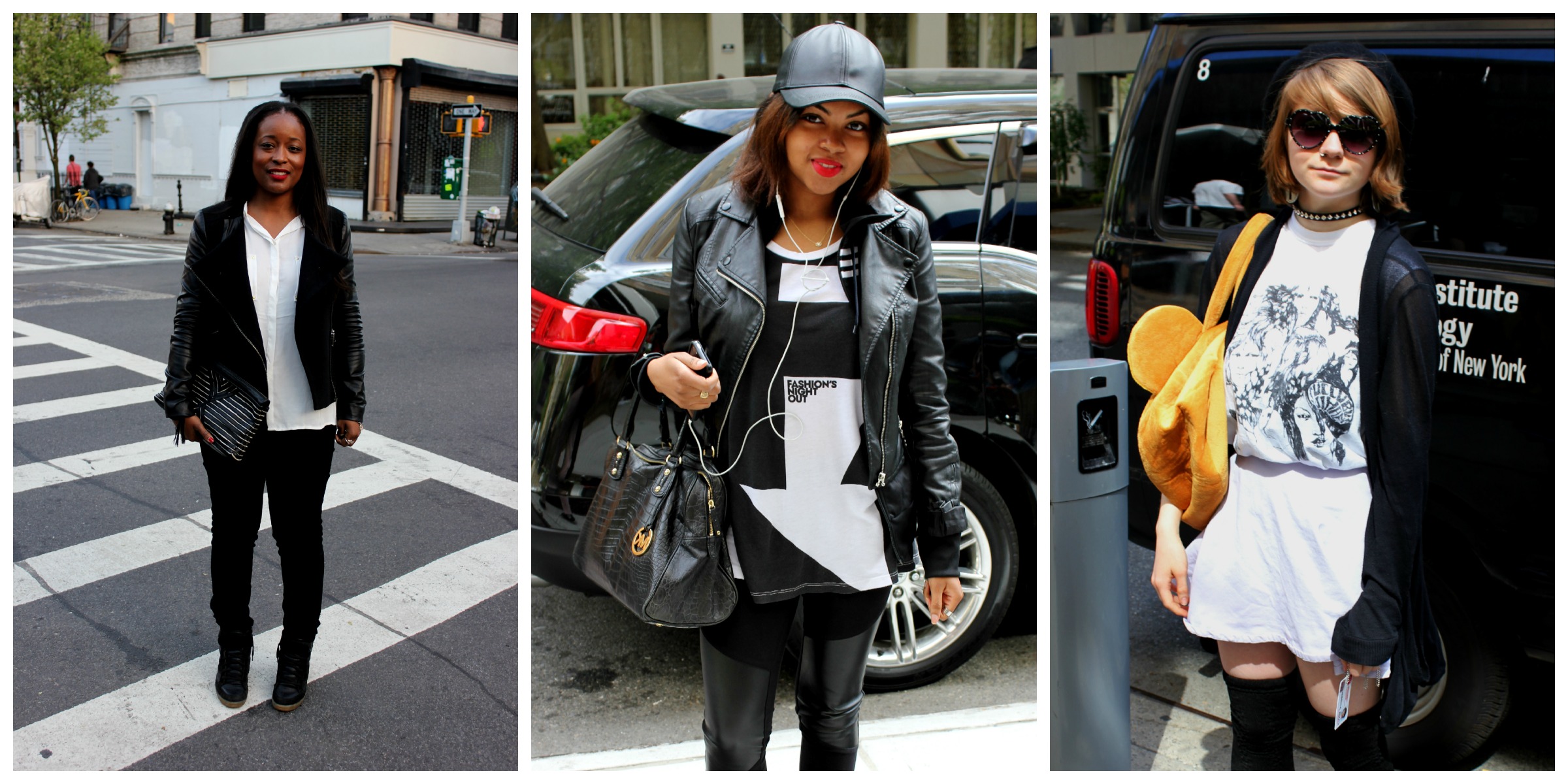
 Looking at the trend today, wearers are portraying more of an edge than ever before.  A pure white sundress with harsh black combat boots. Severe-cut blazers and loose white t-shirts. Black leather leggings and flowing white tops. All individual looks that are unique, but cohesive in the color scheme which pulls it together for an updated black and white trend seen on the fashion scene.

hat

What is your take on the black and white trend? Tweet them @blairebrownNYC

Street Style: Chelsea Blues

Effortless Chic

I ran into this girl in Chelsea and loved her effortless look. The blue velvet heels. The blueberry tights. The over-sized scarf, and of course a fur to top it all off. As if this whole look isn’t cute enough, her puppy was the perfect accessory for this chilly day in Chelsea.

Love!

Introducing Abraham Pelham’s Pret-a-Porter Line Fall 2013

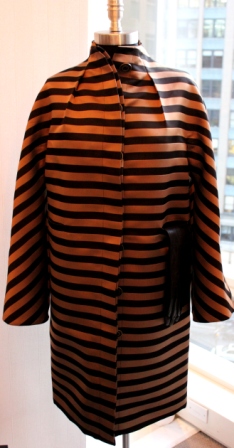
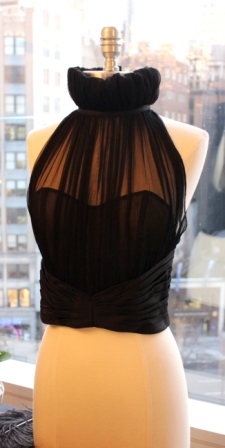
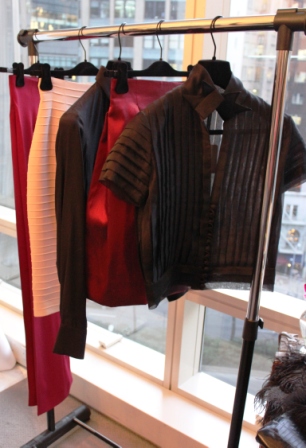
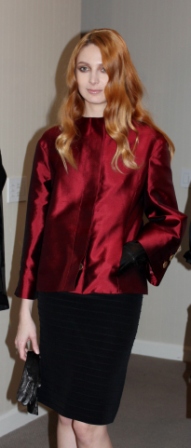
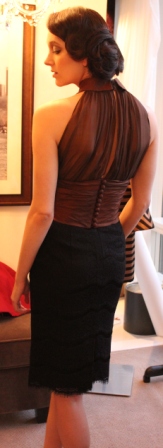
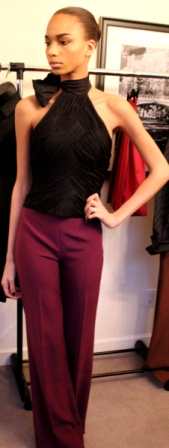
Abraham Pelham 004 Abraham Pelham 006 Abraham Pelham 012 Abraham Pelham 015 Abraham Pelham 025 Abraham Pelham 028 Abraham Pelham 041 Abraham Pelham 044 Abraham Pelham 055 Abraham Pelham 056 Abraham Pelham 061 Abraham Pelham 063 Abraham Pelham

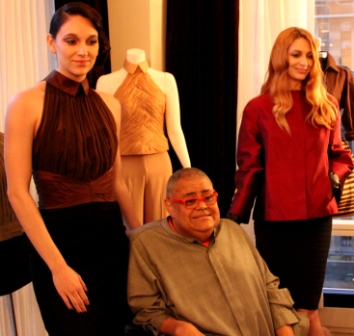
New York, New York—What better way to celebrate Valentine’s day than by viewing lovely, carefully designed clothes over mimosas? That is precisely what I did.  I walked into the Trump International Hotel Tower to view none other than the celebrated couturier Abraham Pelham’s first ever ready-to-wear collection.  Pelham’s home-base is in Paris, but lucky for me, I got an exclusive preview of the collection while he was in town for New York Fashion Week.

At the presentation I was graciously greeted and led into a beautiful showroom. The designer himself was there to show his newest creations. What struck me the most about the line was the incredible, luxe fabrics and the precise workmanship involved. Each piece is impeccably designed and made sure of that it is absolutely perfect. Each stripe, button detail, and pocket strategically placed. When the model wearing the red jacket put her hands in the pockets it was a surprise because they’re so carefully placed; it isn’t apparent until they’re used.

The bows, fabricated buttons, and cuts are a few of the key details that create an extra feminine look in Pelham’s prêt-a-porter line. The pieces are chic and classic. Because of the silhouettes (see the skirts!) the line stayed young and fresh, while still maintaining the sophistication level.  Despite the beautiful craftsmanship, I thought the pants weren’t the most notable pieces of the line. I appreciated the feminine tops and coats over anything else in the collection.  The bandage-skirts however were for sale at Express when I worked there 3 years ago– maybe it wasn’t necessary for a couturier’s RTW line?

When asked why he decided to design a prêt-a-porter line in addition to his couture, he explained that his clients have been asking him to do this for the past 7 years. Everyone has their hands on Chanel for daytime, but his pieces haven’t been available for daytime looks. Finally, 2013 has rolled around and this year he has decided to produce it. His clients will be very pleased to show the looks off to their friends at the next event.